

Mashed Potatoes (Stovetop Method) deliver creamy, garlicky comfort to any table.
There’s something deeply reassuring about a pot of potatoes simmering on the stove, steam rising, garlic softening alongside russet or Yukon gold chunks. This stovetop method skips the oven and the fuss, relying instead on one pot, a handful of ingredients, and a straightforward cooking process that consistently yields fluffy, creamy potatoes with just the right amount of tang from sour cream or Greek yogurt.
The garlic boils with the potatoes, infusing the entire batch with a subtle savory note that never overwhelms. Reserved cooking water gives you control over the final consistency, so you can adjust the texture from thick and spoonable to smooth and pourable. Milk or half and half adds richness, while sour cream balances the butter with a slight tang that keeps each bite from feeling too heavy.
Whether you’re serving roasted turkey, weeknight chicken, or a slow-cooked roast, this recipe adapts easily and holds its place on the table without demanding much attention or advanced technique.
Gathering the Essentials for Mashed Potatoes (Stovetop Method)
The ingredient lineup here is short, practical, and designed to build flavor without complicating the process.
- Russet or Yukon gold potatoes – russets deliver a starchy, fluffy texture, while Yukon golds bring a slightly buttery flavor and creamier mash.
- Garlic cloves – peeled and smashed, they soften as the potatoes cook and infuse the entire pot with savory depth.
- Whole milk or half and half – adds richness and helps create a smooth, pourable consistency.
- Butter – melts into the hot potatoes and contributes a silky, luxurious mouthfeel.
- Sour cream or plain Greek yogurt – introduces tang and extra creaminess, balancing the richness of the butter and milk.
- Salt – seasons the cooking water and the finished mash, ensuring the potatoes taste savory rather than flat.
How to Make Mashed Potatoes on the Stovetop
STEP 1: Add the peeled, chunked potatoes, smashed garlic cloves, and ½ teaspoon salt to a large pot, then pour in enough water to cover the potatoes by at least an inch.
STEP 2: Bring the pot to a boil over high heat, then reduce the heat to medium or medium-high to maintain a vigorous simmer without causing boil-overs.
STEP 3: Cook the potatoes until they’re tender enough to break apart easily with a fork, which usually takes 15 to 20 minutes depending on the size of your chunks.
STEP 4: Drain the potatoes in a colander, but reserve ¼ cup of the starchy cooking water before you pour everything out.
STEP 5: Return the drained potatoes and garlic to the pot, then add the butter and milk.
STEP 6: Once the butter has melted, add the sour cream and mash the potatoes using a potato masher or handheld mixer until the texture is smooth and creamy, adding back some of the reserved cooking water if the mash feels too thick.
STEP 7: Taste the potatoes and add more salt as needed to bring out the full savory flavor.
Creamy Mashed Potato Tips: Texture, Flavor, and More
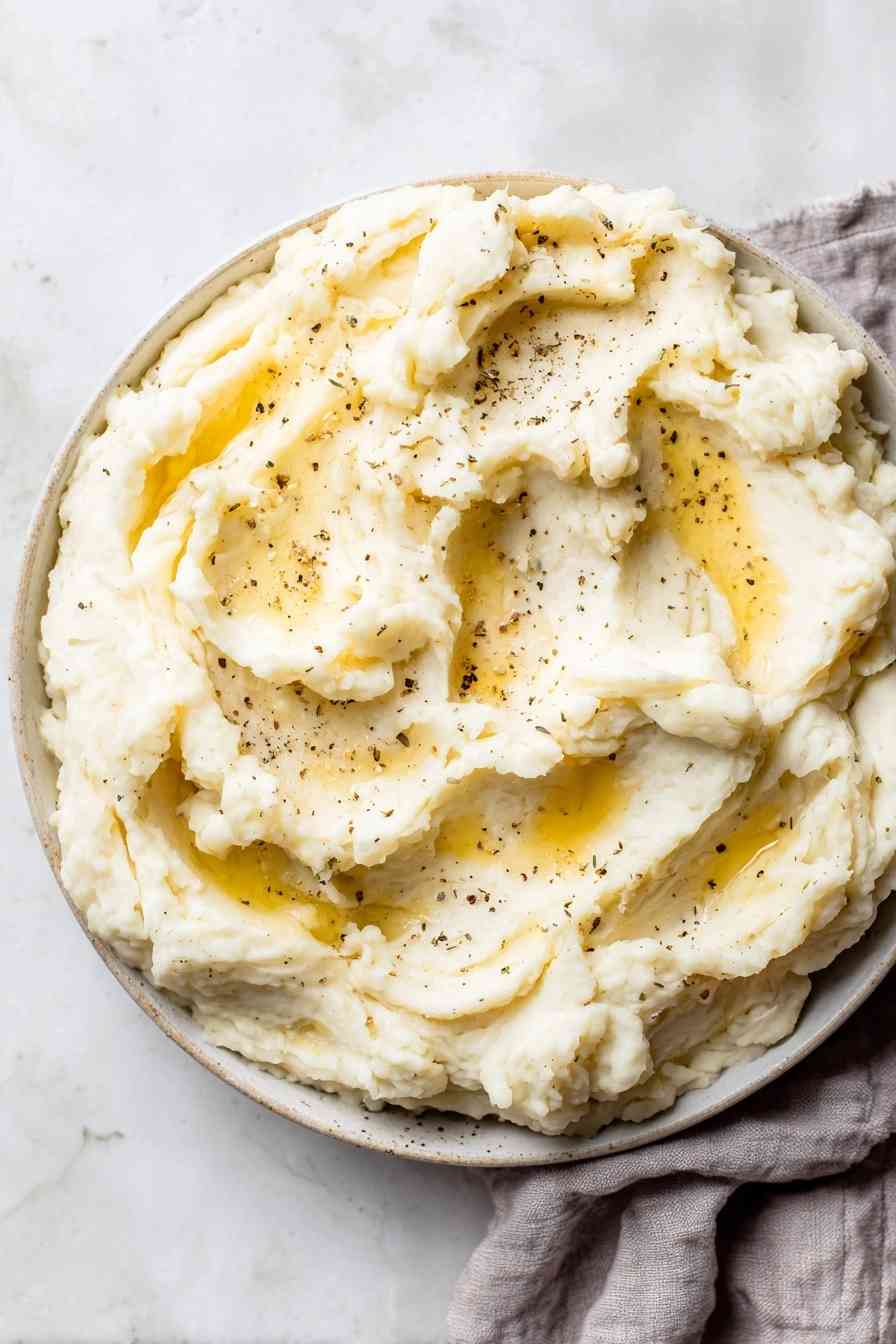
- Cut potatoes to consistent size – even chunks cook at the same rate, preventing mushy pieces and firm ones from finishing at different times.
- Mash gently and briefly – overworking releases starch and turns the texture gluey; stop as soon as the potatoes are smooth.
- Melt butter before mashing – this helps it distribute evenly and creates a silky texture throughout.
- Taste and adjust salt at the end – potatoes absorb seasoning, so a final taste ensures the mash isn’t bland.
What to Serve with Mashed Potatoes (Stovetop Method)
- Roasted turkey or chicken with pan gravy, where the creamy potatoes soak up the savory drippings.
- Slow-cooked pot roast or braised short ribs, using the mash to balance the rich, tender meat.
- Sautéed green beans or roasted Brussels sprouts for a lighter vegetable contrast alongside the buttery potatoes.
Mashed Potatoes (Stovetop Method): Your Questions Answered
Can I use a different type of potato for mashed potatoes?
Yes, red potatoes work well if you prefer a slightly waxy, chunkier mash with more texture. They hold their shape better than russets, so the final result will be less fluffy and more rustic, but still creamy and flavorful.
How can I make these mashed potatoes dairy-free or vegan?
Swap the butter for vegan butter or olive oil, use unsweetened plant-based milk like oat or cashew milk, and replace the sour cream with a dairy-free yogurt or additional plant milk. The potatoes will still turn out smooth and rich.
What’s the best way to achieve extra-smooth mashed potatoes?
Use a handheld mixer on low speed or a ricer instead of a traditional masher, which breaks down the potatoes more finely and creates a silkier texture. Just be careful not to overmix, or the potatoes can turn gummy.
Can I make mashed potatoes ahead of time?
Yes, prepare the mash up to two days in advance, then store it in the fridge in an airtight container. Reheat gently on the stovetop with a splash of milk or reserved cooking water, stirring frequently to restore the creamy consistency.
Why do my mashed potatoes sometimes turn out gluey?
Overmixing or using a food processor releases too much starch from the potatoes, which creates a sticky, paste-like texture. Mash by hand or with a mixer on low speed, and stop as soon as the potatoes are smooth.
Storing and Reheating Stovetop Mashed Potatoes
Store leftover mashed potatoes in an airtight container in the fridge for up to four days. The texture may firm up as the potatoes cool, but reheating gently on the stovetop over low heat with a splash of milk or reserved cooking water will bring back the creamy consistency. Stir frequently to prevent sticking and scorching.
For reheating in the microwave, transfer a portion to a microwave-safe bowl, cover loosely, and heat in 30-second intervals, stirring between each round until warmed through. Add a little extra butter or milk if the potatoes seem dry.
Freezing is not recommended, as the texture can become grainy and watery when thawed. If you do freeze the mash, expect to lose some of the original smoothness, and plan to stir in additional butter and milk during reheating to help restore the consistency.
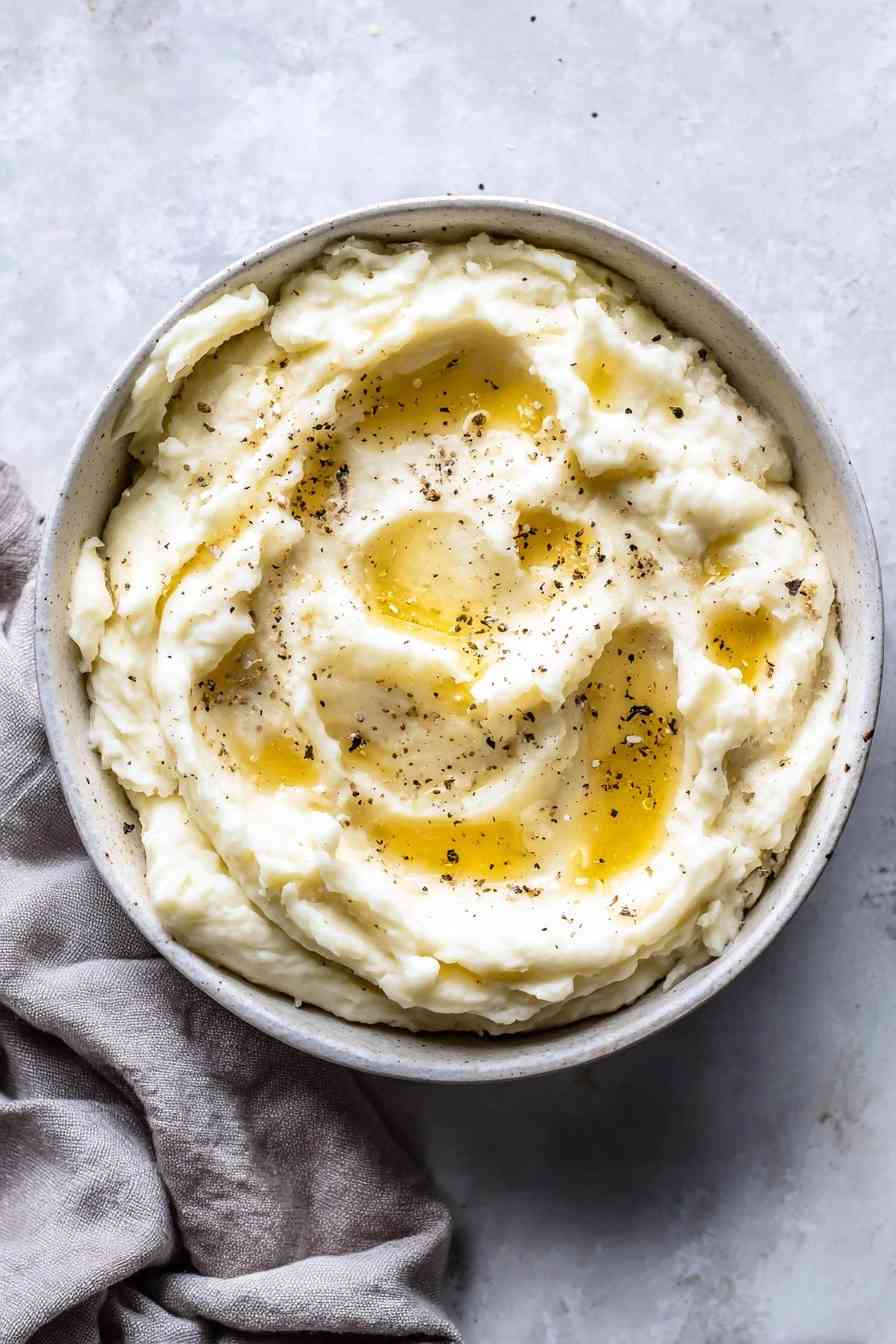
Mashed Potatoes (Stovetop Method)
Ingredients
Equipment
Method
- Place the potatoes, garlic, and ½ teaspoon salt in a large pot. Add enough water to cover the potatoes by at least one inch.
- Set the pot over high heat and bring to a boil. Lower the heat to medium or medium-high to keep the water simmering steadily but not overflowing.
- Cook the potatoes until they are easily pierced with a fork, about 15 to 20 minutes, depending on chunk size.
- Drain the potatoes well, making sure to reserve ¼ cup of the cooking liquid.
- Return the drained potatoes to the empty pot. Add butter and milk (or half and half).
- When the butter is melted, add the sour cream or Greek yogurt and mash the mixture with a potato masher or handheld mixer until smooth. If needed, incorporate a little of the reserved cooking water to reach your preferred consistency.
- Taste and adjust with additional salt if desired.