

Cottage Cheese Mashed Potatoes deliver silky texture and protein without any cottage cheese aftertaste.
The secret is whipping full-fat cottage cheese with sour cream until completely smooth, then folding it into fluffy mashed potatoes enriched with garlic butter. You end up with a side dish that tastes like the richest, creamiest mashed potatoes you’ve ever made, but with triple the protein of the standard version. No curds, no tang, just velvety comfort that actually keeps you full.
Russet or Yukon Gold potatoes form the base, cut into large chunks so they cook evenly and mash without turning gummy. The cottage cheese gets blended until silky, then stirred in after the potatoes are mashed with hot milk and melted butter. Freshly grated Parmesan and a handful of chopped parsley add a savory finish, though both are optional if you want to keep things simple.
How to Make Ultra Creamy Cottage Cheese Mashed Potatoes
STEP 1: Peel 2 pounds of Russet or Yukon Gold potatoes and cut them into large, even chunks. Place them in a large pot, cover with cold salted water, bring to a boil, then reduce the heat and simmer for 15 to 20 minutes until fork-tender.
STEP 2: While the potatoes cook, add 1 cup full-fat cottage cheese and ¼ cup sour cream to a food processor. Blend until completely smooth and creamy, scraping down the sides as needed. Set aside.
STEP 3: Drain the cooked potatoes and let them stand uncovered for about 5 minutes to allow excess moisture to evaporate. This step prevents a watery, loose mash.
STEP 4: In the same pot, melt half of the ⅓ cup butter over medium heat. Add 6 to 7 cloves of finely chopped garlic and cook for about 1 minute until fragrant, then remove from heat. Do not let the garlic brown or scorch.
STEP 5: Return the drained potatoes to the pot with the garlic butter. Mash with a potato masher until mostly smooth, then pour in ¼ cup hot milk while mashing to reach your desired consistency. Add more milk if needed.
STEP 6: Stir in the whipped cottage cheese and sour cream mixture until fully incorporated and creamy. Season with salt and black pepper to taste, then stir in ¼ cup freshly grated Parmesan if using. Transfer to a serving bowl, drizzle with the remaining melted butter, and garnish with chopped fresh parsley if desired. Serve warm.
What You’ll Need for Cottage Cheese Mashed Potatoes
This lineup delivers creamy, protein-packed mashed potatoes with a savory garlic-butter backbone and no cottage cheese texture in sight.
- Russet or Yukon Gold potatoes – starchy Russets give you fluffy, light mash, while Yukon Golds add a buttery, creamy richness.
- Full-fat cottage cheese – blends into a silky base that adds protein and moisture without any detectable curds or tang.
- Sour cream – enriches the whipped cottage cheese mixture and adds a subtle tangy depth.
- Unsalted butter – half goes into the garlic sauté for flavor, the rest drizzles over the finished dish for richness.
- Fresh garlic – 6 to 7 cloves sautéed in butter infuse the potatoes with aromatic, savory warmth.
- Hot milk – loosens the mash to your preferred consistency without cooling the potatoes or making them gummy.
- Freshly grated Parmesan – optional, but adds a savory, umami kick that melts right into the mash.
- Fresh parsley – optional garnish that adds a pop of color and a hint of herbal brightness.
- Salt and pepper – essential for balancing and amplifying all the other flavors.
Getting the Silkiest Potato Texture Every Time
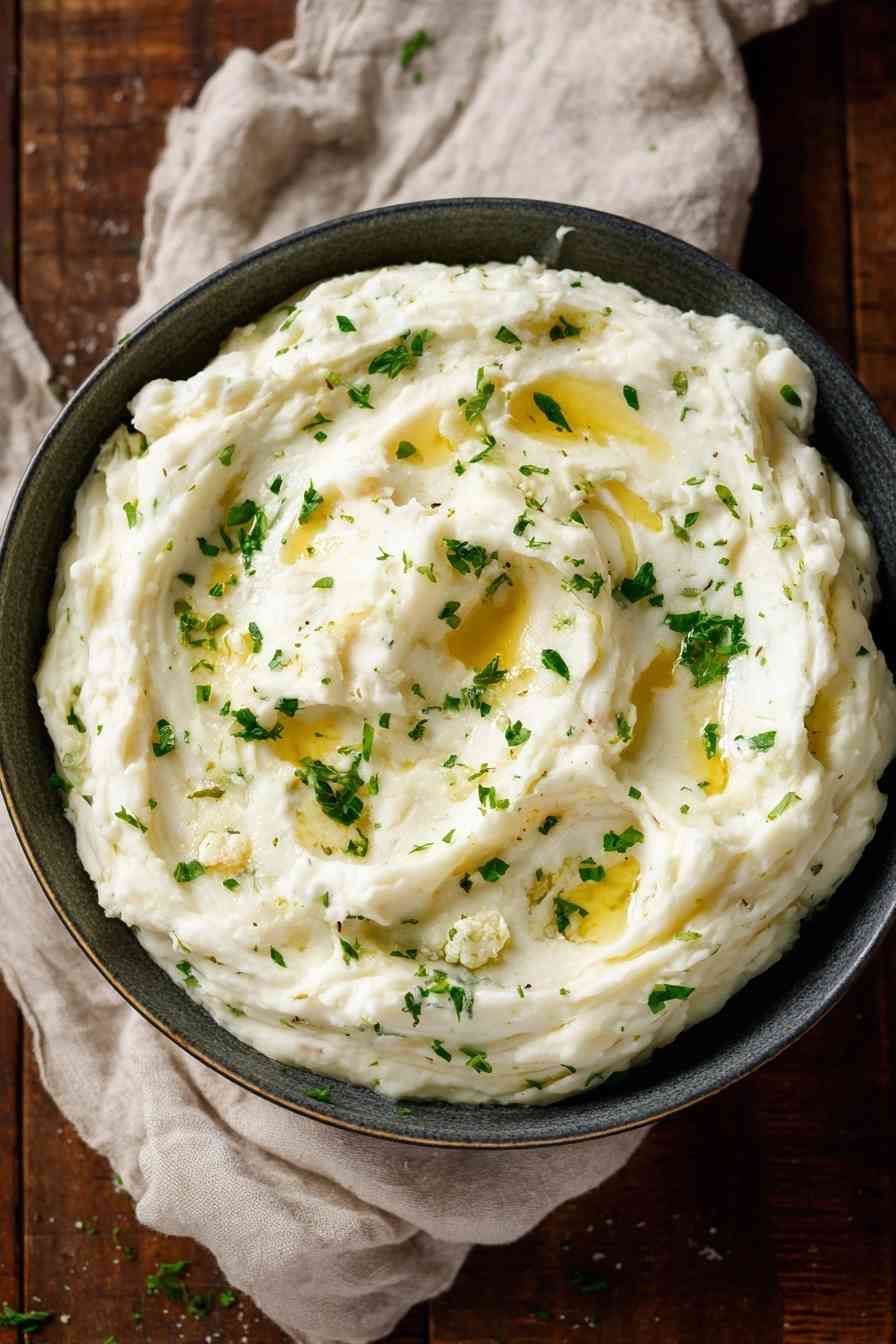
- Blend the cottage cheese and sour cream until completely smooth before adding them to the potatoes. Any remaining curds will show up in the final mash, and you want a no-curd finish that tastes like pure creaminess.
- Let the drained potatoes stand uncovered for about 5 minutes before mashing. This allows steam to escape and prevents a watery, loose consistency that no amount of stirring will fix.
- Keep the heat low when sautéing the garlic in butter. Garlic burns fast, and scorched garlic will turn the whole dish bitter. You want fragrant, golden softness, not brown bits.
- Use hot milk, not cold. Cold milk will cool the potatoes and make them harder to mash smoothly, while hot milk integrates seamlessly and keeps everything warm and fluffy.
Perfect Pairings: What Goes Well with Cottage Cheese Mashed Potatoes
Serve alongside roasted chicken thighs, grilled steak, or pan-seared pork chops. The creamy, garlicky mash balances rich, savory proteins beautifully.
Pair with roasted vegetables like Brussels sprouts, carrots, or green beans for a complete, satisfying meal that covers your protein and fiber bases.
Use as a base for a shepherd’s pie or cottage pie filling. The extra protein makes the dish more substantial, and the creamy texture holds up well under a layer of meat and gravy.
Cottage Cheese Mashed Potatoes: Frequently Asked Questions
Can I use low-fat or non-dairy cottage cheese?
You can, but full-fat cottage cheese blends into the smoothest, creamiest texture. Low-fat versions may turn out slightly thinner or less rich, and non-dairy cottage cheese can vary widely in how well it whips, so your results may differ from the silky consistency this recipe delivers.
Will these mashed potatoes taste like cottage cheese?
Not at all. When you blend the cottage cheese until smooth and mix it with butter, garlic, sour cream, and Parmesan, the flavor is pure creamy mashed potatoes. The cottage cheese adds protein and moisture, but no detectable tang or cottage cheese taste comes through in the final dish.
Is it possible to make these ahead of time?
Yes. Prepare the mashed potatoes fully, then transfer them to a baking dish, cover tightly, and refrigerate for up to two days. Reheat in a 350-degree oven covered with foil, stirring halfway through, and add a splash of milk or butter if they seem dry.
What’s the best way to reheat leftovers without drying them out?
Reheat gently on the stovetop over low heat, stirring frequently and adding a tablespoon or two of milk or butter to restore the creamy texture. You can also microwave in 30-second intervals, stirring between each round, until warmed through and smooth.
Can I freeze these mashed potatoes?
Freezing is not recommended. The cottage cheese and sour cream can separate and turn grainy when thawed, and the texture may become watery or uneven. These mashed potatoes are best enjoyed fresh or refrigerated for a few days.
How to Store and Reheat Cottage Cheese Mashed Potatoes
Store leftovers in an airtight container in the fridge for up to three days. The cottage cheese and sour cream keep the mash moist, so it reheats better than standard mashed potatoes that tend to dry out or turn gluey.
To reheat, warm gently on the stovetop over low heat, stirring frequently and adding a splash of milk or melted butter to loosen the texture. You can also microwave in short intervals, stirring between each round, until heated through. Avoid high heat, which can make the potatoes gummy or cause the dairy to separate.
Do not freeze these mashed potatoes. The cottage cheese and sour cream do not freeze well and may turn grainy or watery when thawed, compromising the silky texture that makes this recipe work.
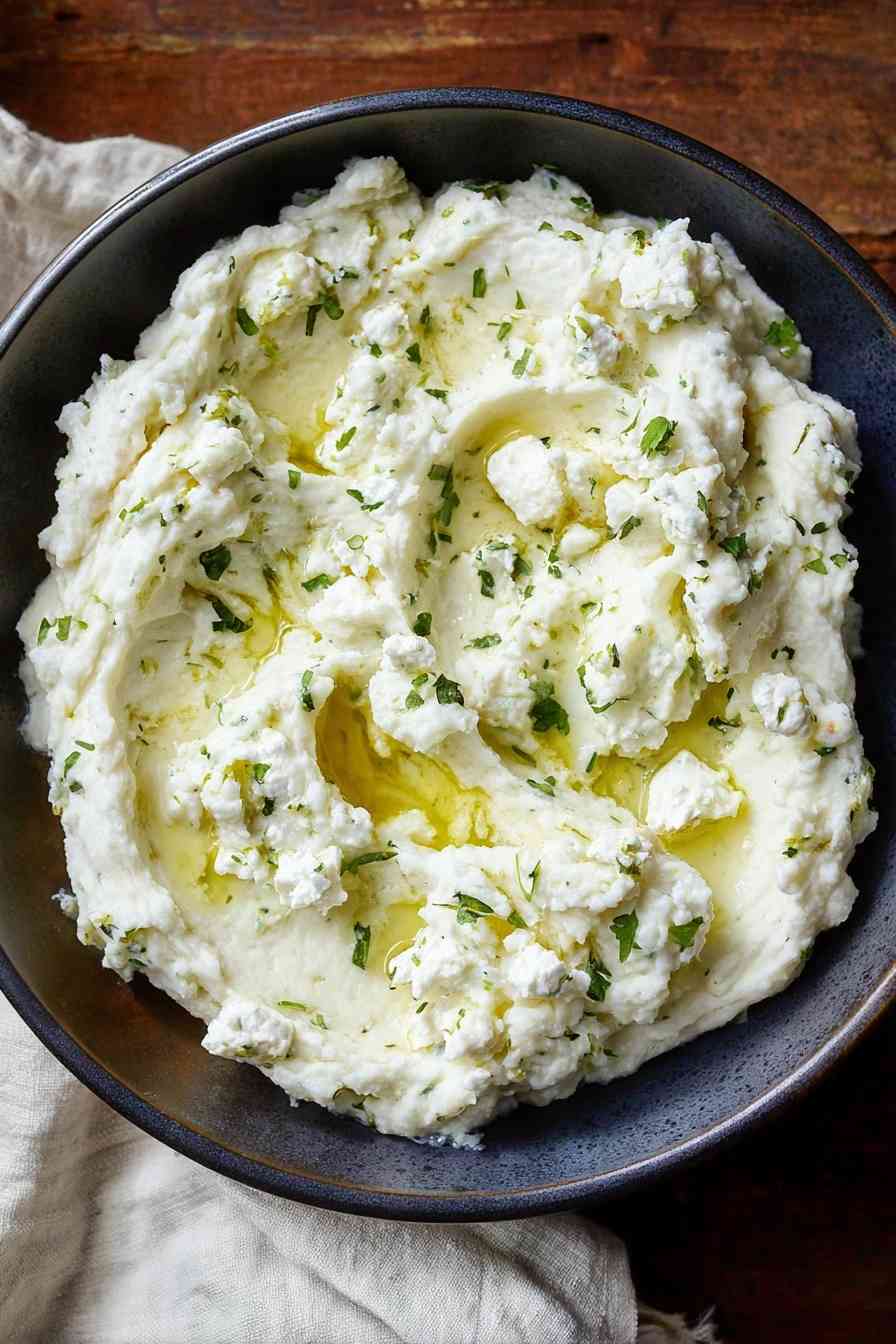
Cottage Cheese Mashed Potatoes
Ingredients
Equipment
Method
- Peel the potatoes and remove any blemishes, then cut them into large, even chunks for uniform cooking.
- Place the potato chunks in a large pot. Add enough cold water to cover them and stir in 1 teaspoon salt. Bring to a boil over high heat, then reduce to a simmer and cook for 15 to 20 minutes, or until the potatoes are fork-tender.
- While the potatoes are simmering, combine the cottage cheese and sour cream in a food processor. Blend until the mixture is completely smooth and creamy, scraping the sides as needed. Set aside.
- When the potatoes are done, drain well and leave them in the colander to steam for about 5 minutes so excess moisture evaporates.
- In the empty pot, melt half of the butter over medium heat. Add the chopped garlic and cook until fragrant, about 1 minute, without allowing it to brown. Remove from heat.
- Return the drained potatoes to the pot with the garlic butter. Begin mashing the potatoes by hand, gradually adding the hot milk until you reach your desired texture.
- Fold the blended cottage cheese and sour cream mixture into the mashed potatoes and stir until fully combined and creamy.
- Season with additional salt and pepper to taste. Stir in Parmesan cheese, if using, until it melts into the mash.
- Transfer the finished mashed potatoes to a serving bowl. Drizzle with the remaining melted butter and garnish with chopped parsley if desired. Serve warm.