

The best hummus starts with canned chickpeas boiled with baking soda until impossibly soft, then blended with ice water for a pale, fluffy texture.
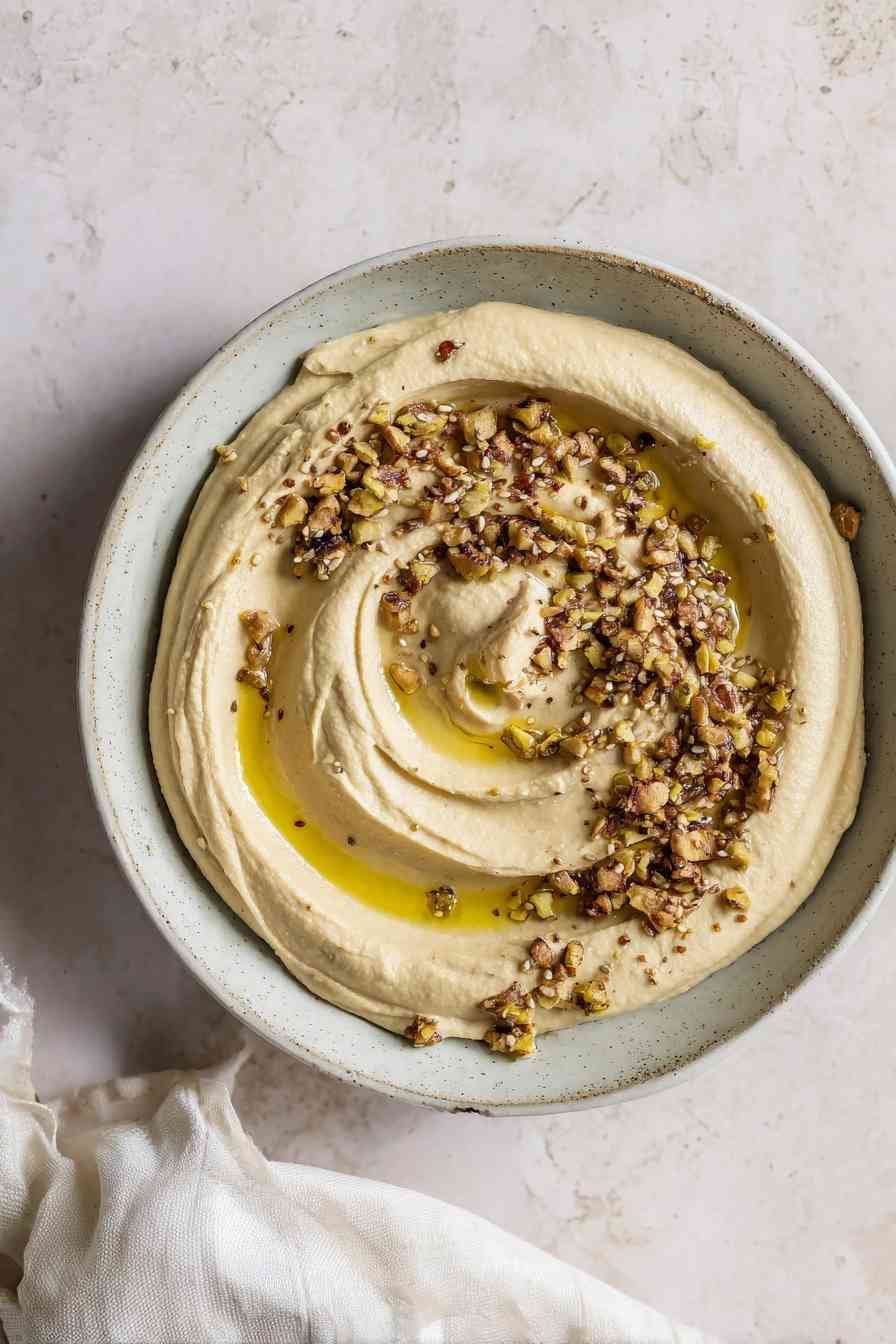
Restaurant hummus has this almost whipped quality, light and smooth enough to swirl into those gorgeous swooshes on the plate. The secret isn’t fancy equipment or hard-to-find ingredients. It’s a simple kitchen trick: boiling canned chickpeas with baking soda for 20 minutes until they’re so tender they practically fall apart. That softness is what makes all the difference between grainy, dense hummus and the kind that feels like silk on your tongue.
This recipe also leans on a few other smart moves, like letting garlic mellow in lemon juice before blending, using a generous amount of high-quality tahini, and incorporating ice-cold water to create that signature pale, airy texture. The result is hummus that tastes fresh, bright, and nutty, with just enough tang and warmth to keep you coming back for another scoop.
What You Need for the Best Hummus
The ingredient list is short, but each component plays a specific role in building flavor and achieving that restaurant-quality texture.
- Canned chickpeas – the base of the hummus, softened with baking soda until they blend into a smooth, creamy purée.
- Baking soda – raises the pH of the cooking water, breaking down chickpea skins and softening the legumes into a pulpy, ultra-smooth mass.
- Tahini – adds nutty richness and body; using a full half-cup ensures the hummus tastes luxurious rather than bland.
- Lemon juice – provides bright, tangy flavor that balances the richness of the tahini and mellows the raw garlic.
- Garlic – contributes savory depth, but only after resting in lemon juice to soften its harsh bite.
- Ice water – whipped into the tahini, it creates a pale, fluffy texture that makes the hummus feel light and airy.
- Ground cumin – adds subtle warmth and an authentic Mediterranean flavor note.
- Olive oil – blended in for extra richness and a silky mouthfeel.
- Salt – enhances every other flavor and brings the whole dip into balance.
- Garnishes – olive oil, sumac, paprika, parsley, or zhoug sauce add color, texture, and visual appeal.
Secrets to Extra-Smooth, Fluffy Hummus
- Cook the chickpeas until they’re mushy. Even canned chickpeas benefit from a 20-minute boil with baking soda. They should look bloated, with skins falling off and a texture that’s almost too soft. That mushiness is what creates a silky purée instead of a grainy paste.
- Rinse the chickpeas thoroughly after boiling. Running cool water over them for about 30 seconds washes away the baking soda flavor, which can taste soapy if left behind. This step also cools them down so they don’t warm up the tahini mixture.
- Let the garlic rest in lemon juice. Blending raw garlic with lemon juice and letting it sit for 10 minutes mellows the harsh, pungent bite. Skipping this step can leave your hummus with an overpowering garlic flavor that lingers uncomfortably.
- Blend the tahini with ice water first. Whipping tahini with ice-cold water before adding the chickpeas creates a pale, fluffy base that makes the final hummus feel light and airy rather than dense and heavy.
How to Make Lusciously Creamy Hummus
STEP 1: Place the drained chickpeas in a medium saucepan and add the baking soda. Cover with several inches of water, bring to a boil over high heat, and continue boiling for about 20 minutes, reducing heat if necessary to prevent overflow. The chickpeas should look bloated and very soft, with skins falling off. Drain in a fine-mesh strainer and rinse under cool water for about 30 seconds.
STEP 2: While the chickpeas cook, combine the lemon juice, garlic, and salt in a food processor or high-powered blender. Process until the garlic is very finely chopped, then let the mixture rest for at least 10 minutes so the garlic flavor can mellow.
STEP 3: Add the tahini to the food processor and blend until the mixture is thick and creamy, scraping down the sides and bottom as needed to incorporate any stuck tahini.
STEP 4: While running the food processor, drizzle in 2 tablespoons of ice water. Scrape down the processor and blend until the mixture is ultra smooth, pale, and creamy. If your tahini was especially thick, add 1 to 2 more tablespoons of ice water.
STEP 5: Add the cumin and the drained, over-cooked chickpeas to the food processor. While blending, drizzle in the olive oil. Blend until the mixture is super smooth, scraping down the sides as necessary, about 2 minutes. Add more ice water by the tablespoon if needed to achieve a creamy, spreadable texture.
STEP 6: Taste and adjust the seasoning. You’ll likely want to add another quarter-teaspoon of salt for overall flavor and another tablespoon of lemon juice for extra zing.
STEP 7: Scrape the hummus into a serving bowl or platter and use the back of a spoon to create swooshes on top. Top with your choice of garnishes, such as a drizzle of olive oil, a sprinkle of sumac or paprika, or chopped fresh parsley.
Favorite Ways to Serve Homemade Hummus
Serve the hummus with warm pita bread or pita chips for the classic pairing, perfect for scooping up generous amounts. Build a mezze platter with olives, feta, cucumber slices, cherry tomatoes, and roasted red peppers for a colorful spread. Use it as a sandwich or wrap spread in place of mayo or mustard for a nutty, tangy layer that adds richness to vegetables, grilled chicken, or falafel.
Hummus FAQ: Texture, Substitutions, and Troubleshooting
Can I make hummus without tahini?
You can, but the flavor and texture will change significantly. Tahini provides the nutty richness and creamy body that define traditional hummus. If you must skip it, try substituting with a neutral nut butter like cashew butter, though the result will taste noticeably different.
Why does my hummus turn out thick or grainy?
Thick, grainy hummus usually means the chickpeas weren’t cooked long enough or the mixture wasn’t blended thoroughly. Make sure the chickpeas are extremely soft before blending, and process the hummus for at least two full minutes, adding ice water as needed to loosen the texture.
How can I adjust the tanginess or garlic flavor?
Start by tasting after the initial blend, then adjust incrementally. Add lemon juice by the tablespoon for more tang, or stir in a bit more minced garlic if you want a stronger garlic presence. Remember that garlic mellowed in lemon juice tastes much gentler than raw garlic added at the end.
Is it possible to use dried chickpeas instead of canned?
Yes, and many cooks prefer them for even better texture. Soak dried chickpeas overnight, then cook them until very tender before proceeding with the baking soda boil. The extra cooking time ensures they break down into a silky purée, just like the over-cooked canned version.
What are some creative garnishes or toppings for hummus?
Beyond the classic olive oil and paprika, try topping with zhoug sauce for heat, ground sumac for tang, toasted pine nuts for crunch, or a drizzle of pomegranate molasses for sweetness. Fresh herbs like parsley, cilantro, or dill also add color and brightness.
How to Store Leftover Hummus
Transfer leftover hummus to an airtight container and refrigerate for up to one week. The texture may thicken slightly as it sits, so stir in a tablespoon or two of cold water before serving to restore the creamy consistency. Press plastic wrap directly onto the surface to prevent drying out or skin formation. Hummus does not freeze well, as the texture becomes grainy and separated after thawing.
The Best Hummus
Ingredients
Equipment
Method
- Add chickpeas to a medium saucepan with baking soda, cover with several inches of water, and bring to a boil over high heat. Boil for about 20 minutes, adjusting heat as needed to avoid overflow, until chickpeas are very soft, bloated, and skins are coming off. Drain in a fine-mesh strainer, and rinse under cool water for about 30 seconds. Set aside (no need to peel skins).
- While the chickpeas cook, combine lemon juice, chopped garlic, and salt in a food processor or high-speed blender. Process until the garlic is finely chopped, then let the mixture sit for about 10 minutes so the garlic flavor can mellow.
- Add the tahini to the food processor and blend until it forms a thick, creamy mixture, scraping down the sides and bottom as needed.
- With the processor running, drizzle in 2 tablespoons of ice water. Scrape the sides, then process again until the mixture turns very smooth, pale, and creamy. Add up to 2 more tablespoons ice water if needed to reach a light, fluffy consistency.
- Add ground cumin and the drained, extra-soft chickpeas. With the processor running, slowly drizzle in olive oil. Blend until completely smooth, scraping the bowl as needed, for about 2 minutes. Add ice water a tablespoon at a time if the hummus is too thick.
- Taste and adjust with more salt and lemon juice if desired.
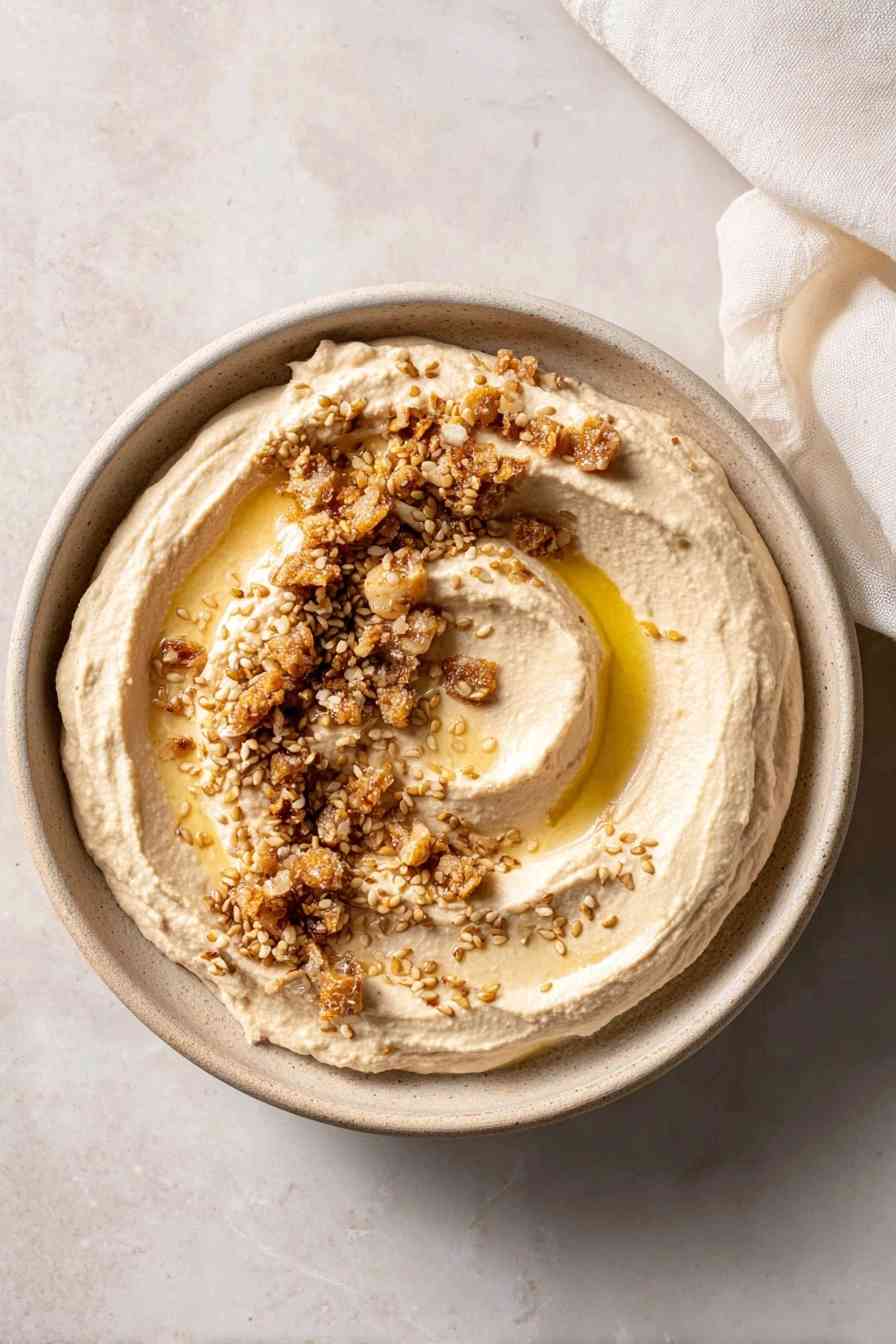
- Transfer the hummus to a serving bowl or plate and swirl the top with the back of a spoon. Add your favorite garnishes and serve. Refrigerate leftovers in a covered container for up to one week.