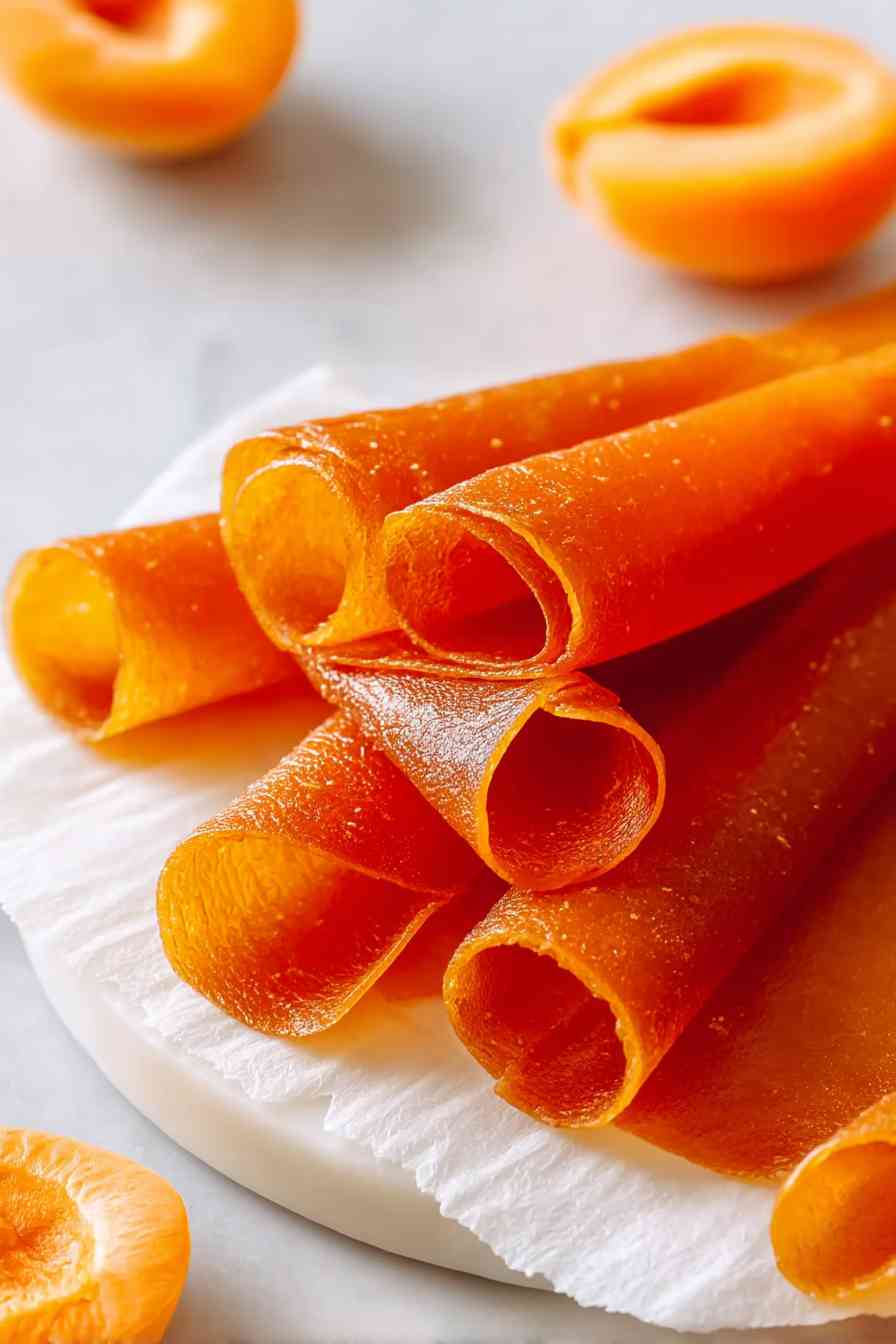

Natural Apricot Nectar delivers pure fruit flavor, vibrant color, and the satisfaction of bottling summer in a jar.
Homemade apricot nectar is so much more luscious and flavorful than anything you’ll find at the store. The color stays bright, the texture is smooth and silky, and the taste is unmistakably real fruit, not concentrate or artificial sweetness. The process itself is surprisingly meditative, even if your kitchen ends up a little sticky by the time you’re done. You simmer fresh apricots until they break down, press them through a fine-mesh sieve for that signature silky texture, then preserve the nectar using safe water-bath canning so it lasts up to a year.
This recipe uses real lemon juice for brightness, a pinch of sea salt to enhance sweetness, and a touch of vanilla for subtle depth. The result is a nectar that tastes like pure apricot, not syrup, and it’s ready to pour over ice, stir into cocktails, or drizzle over yogurt whenever you need a little bottled sunshine.
What Goes Into Natural Apricot Nectar
The ingredient lineup here is short, but each component plays a specific role in flavor, texture, and preservation.
- Fresh apricots – the foundation of the nectar, providing natural sweetness, vibrant color, and that unmistakable stone-fruit flavor.
- Sugar – balances the tartness of the apricots and helps preserve the nectar during canning.
- Lemon juice – brightens the apricot flavor and adds necessary acidity for safe canning.
- Water – thins the mixture to nectar consistency and helps the apricots break down during simmering.
- Vanilla extract – adds subtle complexity without overpowering the fruit.
- Sea salt – enhances overall sweetness and adds surprising depth to the flavor.
Making Apricot Nectar: Your Stepwise Guide
STEP 1: Pit and halve the apricots, then place them in a large pot with the water. Bring to a boil over medium-high heat, then reduce to a gentle simmer. Cook uncovered for 30 minutes, stirring occasionally, until the apricots are completely soft and begin to break down. This extended simmer extracts maximum flavor and natural pectin from the fruit.
STEP 2: Add the sugar, freshly squeezed lemon juice, vanilla extract, and sea salt to the simmered apricots. Stir well to dissolve the sugar completely, then continue cooking for 5 minutes over medium heat. The lemon juice brightens the apricot flavor while the salt enhances overall sweetness.
STEP 3: Press the cooked apricot mixture through a fine-mesh sieve into a clean bowl, using the back of a spoon to extract as much liquid and pulp as possible. Discard the skins and any remaining solids. This creates a smooth, silky nectar with the perfect consistency.
STEP 4: Sterilize your jars by washing them in hot soapy water, rinsing, and heating them in a 350°F oven for 10 minutes. Pour the strained nectar into jars, filling them about 3/4 full. Wipe jar rims clean with a damp cloth before sealing with lids and bands.
STEP 5: Place the filled jars upright in a large pot filled with enough water to cover them by 1 to 2 inches. Bring the water to a rolling boil and maintain a gentle boil for 30 minutes. This water-bath canning process safely preserves the nectar by creating a seal that prevents spoilage.
STEP 6: Carefully remove the jars from the boiling water using a jar lifter and set them upright on a clean kitchen towel or wire rack to cool completely at room temperature. This typically takes 12 to 24 hours. Do not move or disturb the jars during cooling, as this allows the seals to set properly. Once fully cooled, check that each lid has sealed by pressing the center, which should be indented and not flex.
Apricot Nectar Success: Pro Tips for Flavor and Texture

- Simmer the apricots for the full 30 minutes. Under-cooked fruit leads to weak flavor and a chunky texture that won’t press through the sieve smoothly.
- Use a fine-mesh sieve instead of blending. Pressing the mixture through a sieve keeps the color vibrant and gives you more control over the final texture, while blending can create a muddy or pulpy result.
- Set a timer during the water-bath canning step. Even a few minutes off can affect preservation and seal quality, so consistent processing time matters.
- Don’t skip wiping the jar rims before sealing. Any residue on the rim can prevent a proper seal, which means your nectar won’t be shelf-stable.
Serving Ideas for Homemade Apricot Nectar
Pour it over ice for a refreshing drink, or stir it into sparkling water for a lighter option. Use it as a base for cocktails, especially those with gin, vodka, or rum. Drizzle it over yogurt, oatmeal, or pancakes for a fruity, lightly sweet topping.
Apricot Nectar FAQs: Canning, Swaps, and More
Can I use frozen or dried apricots instead of fresh?
Frozen apricots work well if thawed first, though the color may be slightly less vibrant. Dried apricots require longer simmering and more water to rehydrate, and the flavor will be more concentrated and less bright than fresh fruit.
Do I have to use a fine-mesh sieve, or is blending okay?
Pressing through a sieve is strongly recommended. Blending can create a pulpy or muddy texture and dull the vibrant color. The sieve gives you smooth, silky nectar with better clarity and a more refined consistency.
Is it safe to skip the canning step if I plan to drink it soon?
Yes, if you plan to use the nectar within a week, you can skip the water-bath canning and simply store it in the fridge. For longer storage, proper canning is necessary to prevent spoilage and ensure safety.
How can I adjust the sweetness or tartness of the nectar?
Reduce the sugar slightly if you prefer a tart nectar, or add more lemon juice for extra brightness. Keep in mind that lemon juice also affects preservation, so don’t reduce it too much if you’re canning the nectar.
Why is lemon juice necessary in this recipe?
Lemon juice adds brightness and balances the sweetness, but it also provides necessary acidity for safe canning. The acid helps prevent bacterial growth and ensures the nectar stays shelf-stable when properly sealed and stored.
How to Store Your Natural Apricot Nectar
Once the jars have cooled completely and the seals are confirmed, store them in a cool, dark place such as a pantry or cupboard. Properly canned nectar will stay fresh for up to 1 year. After opening a jar, transfer it to the fridge and use within 1 week.
If you skip the canning process and plan to use the nectar right away, store it in an airtight container in the fridge for up to 1 week. The nectar does not freeze well due to its high sugar content, which can cause texture changes when thawed.

Natural Apricot Nectar
Ingredients
Equipment
Method
- Place the pitted and halved apricots into a large pot along with the water. Bring to a boil over medium-high heat, then lower the heat to a gentle simmer. Cook uncovered for 30 minutes, stirring occasionally, until the apricots are completely soft and starting to break down. This extended simmer draws out the maximum flavor and natural pectin from the fruit.
- Stir in the sugar, freshly squeezed lemon juice, vanilla extract, and sea salt. Mix well until the sugar is fully dissolved, then continue to cook over medium heat for another 5 minutes. The lemon juice lifts the apricot flavor, the salt adds surprising depth, and the vanilla contributes a subtle background complexity without overwhelming the fruit.
- Working in batches if needed, press the cooked apricot mixture through a fine-mesh sieve into a clean bowl, using the back of a spoon to push through as much liquid and pulp as possible. Discard the skins and any remaining solids left in the sieve. This method produces a smooth, silky nectar with a vibrant color and refined consistency.
- Sterilize your jars by washing them in hot soapy water, rinsing thoroughly, and placing them in a 350°F (175°C) oven for 10 minutes. Carefully ladle the strained nectar into the hot sterilized jars, filling each one about three-quarters full to allow for expansion. Wipe the jar rims clean with a damp cloth, then seal with lids and bands.
- Arrange the filled jars upright in a large pot and pour in enough water to cover the jars by 1 to 2 inches. Bring the water to a rolling boil, then maintain a steady gentle boil for 30 minutes. This water-bath canning step creates an airtight seal that safely preserves the nectar and prevents spoilage. Set a timer to ensure consistent processing time.
- Using a jar lifter, carefully remove the jars from the boiling water and set them upright on a clean kitchen towel or wire rack. Allow them to cool completely undisturbed at room temperature, which typically takes 12 to 24 hours. Once fully cooled, verify each seal by pressing the center of each lid — it should be indented and should not flex. Store properly sealed jars in a cool, dark place for up to 1 year. Once a jar is opened, refrigerate and use within 1 week.